
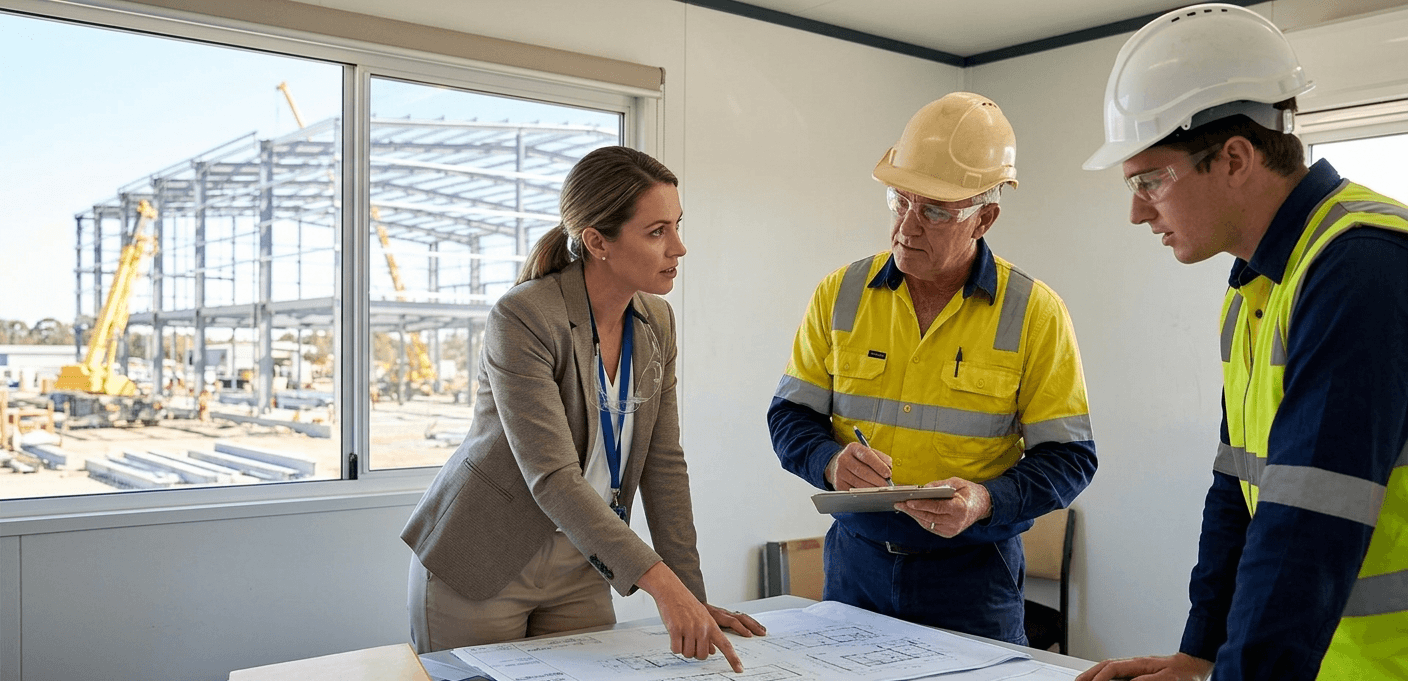
What is the AS2124 Standard in Australia?
Construction projects often face challenges such as delayed payments, scope changes, disputes, and unclear responsibilities. The AS2124 standard helps reduce these risks by providing a clear contractual framework for managing project expectations, legal obligations, and communication between all parties involved.
For businesses involved in structural steel fabrication, understanding AS2124 is important for managing compliance, reducing risk, and supporting smoother project delivery. It is particularly relevant for projects involving commercial structural steel specialists and industrial fabrication teams where coordination and precision are critical.
Understanding AS2124
AS2124 is a standard form construction contract developed by Standards Australia. It provides a structured set of terms and conditions used to manage construction projects across Australia.
The contract typically outlines:
• The roles and responsibilities of all parties
• Risk allocation across the project
• Payment terms and progress claims
• Variations and scope changes
• Dispute resolution procedures
It is commonly used across commercial, civil, and industrial construction projects where clear contract management is essential.
Key Features of AS2124
1. Clear Risk Allocation
One of the main strengths of AS2124 is that it clearly defines who is responsible for different project risks. This helps minimise misunderstandings and ensures each party understands their obligations before work begins.
This is especially important in large fabrication projects where delays, design changes, or delivery issues can affect multiple stakeholders.
2. Superintendent Role
AS2124 includes the appointment of a superintendent who oversees the project and ensures compliance with contract terms.
The superintendent acts as an intermediary between the contractor and the client, helping manage payment claims, assess variations, and monitor project progress fairly and efficiently.
3. Variations and Scope Changes
Construction projects often require changes during execution. AS2124 provides a clear process for managing variations, approvals, and associated cost adjustments.
This is particularly useful for projects involving industrial structural steel fabrication, where design revisions and engineering modifications are common.
4. Dispute Resolution
The contract includes formal dispute resolution processes to help resolve issues before they escalate into costly legal disputes.
This improves project continuity and helps maintain professional relationships between contractors, clients, and subcontractors.
Why AS2124 Matters in Steel Fabrication
Projects involving structural steel contractors often require coordination between fabricators, engineers, site managers, and builders. Without a clear contract structure, delays, disputes, and payment issues can quickly impact both timelines and budgets.
AS2124 helps ensure:
• Responsibilities are clearly defined
• Delivery schedules are properly managed
• Payment claims are handled transparently
• Scope changes are documented and approved
• Contractual disputes are resolved efficiently
This is especially valuable for large-scale projects in steel fabrication in Australia, where project complexity can significantly affect profitability and delivery timelines.
Benefits of Using AS2124
Using AS2124 offers several practical advantages:
• Reduces project risks
• Improves communication between all parties
• Provides legal clarity and contract protection
• Creates fair and transparent payment structures
• Supports smoother project delivery and compliance
For contractors and clients alike, it helps create stronger project control and better long-term outcomes.
Why AS2124 Still Matters in Today’s Construction Industry
Although newer contract standards exist, AS2124 remains widely used across Australia due to its familiarity and proven effectiveness.
Many builders, developers, and commercial structural steel specialists continue using AS2124 because it provides a practical balance between legal protection and project flexibility. Its established use across the industry also makes contract administration more familiar for project teams.
For businesses working in steel fabrication in Australia, this familiarity often improves efficiency and reduces contract-related delays.
Why Professional Expertise Matters
Working with experienced structural steel contractors who understand AS2124 requirements helps support smoother project delivery, improved compliance, and fewer disputes.
From large-scale industrial developments to specialised fabrication work handled by heavy duty staircase fabricators, professional expertise plays a major role in managing contracts effectively and protecting project outcomes.
Contact Kaizen Steel today to discuss your project requirements and get reliable support for smooth, compliant project delivery.



Leave A Comment