
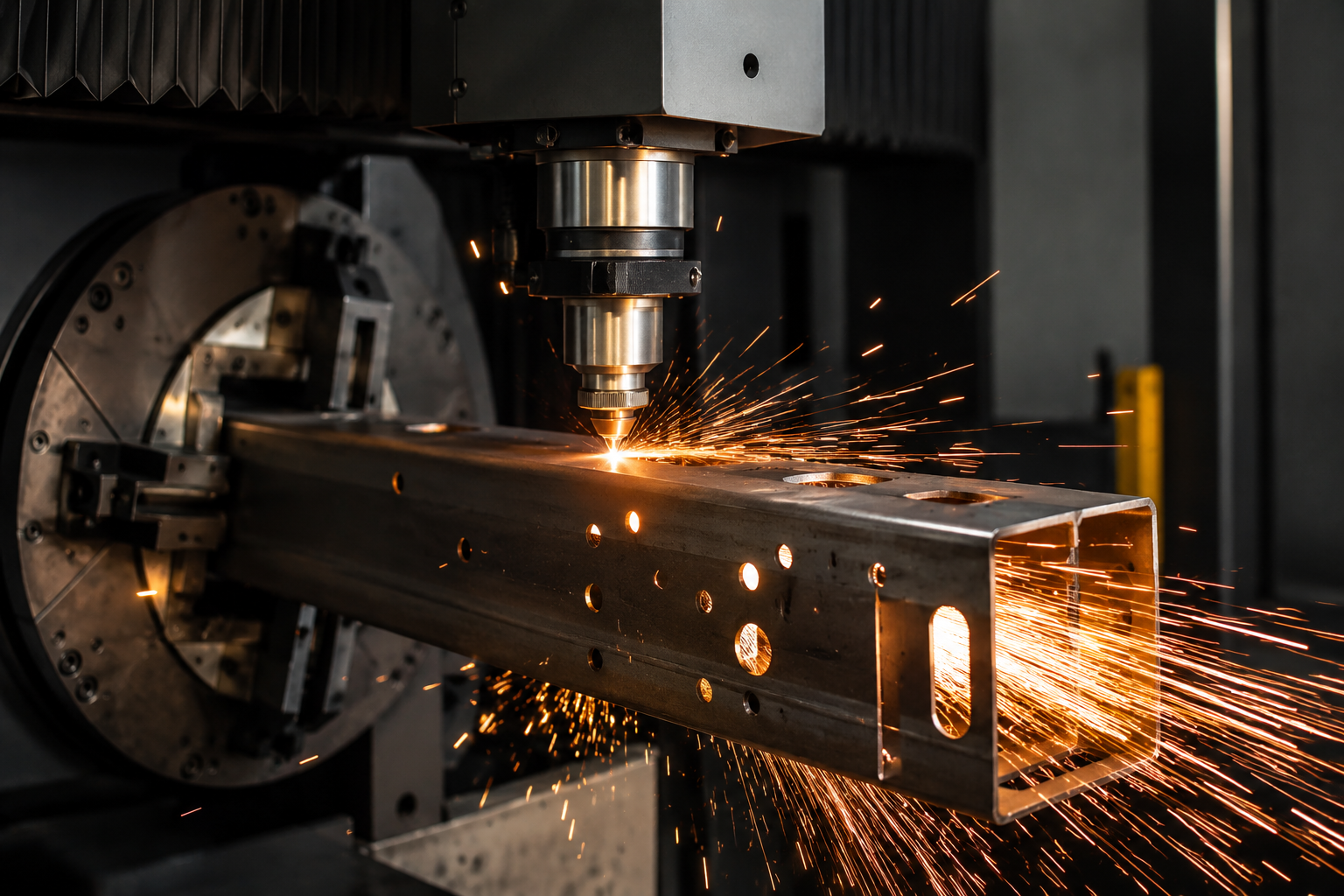
3D Laser Cutting Technology: 5 Things Every Business Should Know Before Their Next Steel Project
Steel fabrication has evolved significantly over the last decade. Projects that once required extensive manual cutting, repeated adjustments, and long production timelines are now completed with greater speed and precision through advanced fabrication technologies.
One of the biggest developments in modern steel processing is 3D laser cutting.
For commercial and industrial projects where accuracy directly impacts installation and performance, laser cutting technology offers measurable advantages throughout the fabrication process.
What Is 3D Laser Cutting?
3D laser cutting is an advanced fabrication method that uses focused laser beams to cut steel components with exceptional precision across multiple dimensions.
Unlike traditional cutting methods that may require additional finishing work, laser cutting creates clean edges, complex profiles, and accurate component dimensions.
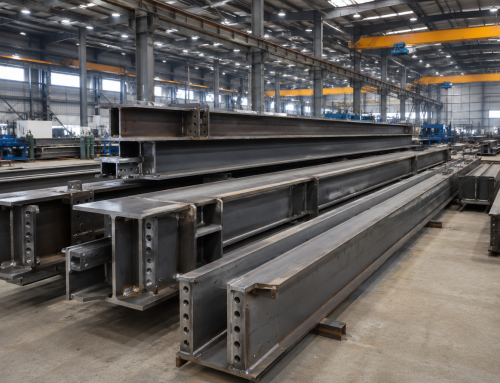
For businesses involved in structural steel fabrication in Dandenong South, laser processing helps improve production consistency and supports tighter project schedules.
This technology is increasingly becoming a preferred solution across commercial and industrial construction. The following advantages explain why more businesses are incorporating laser-cut components into their steel fabrication projects.
1. Precision Improves Project Efficiency
Every millimetre matters in steel fabrication.
Even minor inaccuracies can create installation delays, additional labour costs, and material waste.
Laser cutting reduces these issues by producing highly accurate fabricated components.
This level of precision supports:
- Better structural alignment
- Faster assembly
- Reduced material loss
- Less onsite adjustment
- Improved construction efficiency
Projects involving commercial steel structure fabrication benefit significantly because accurate components help maintain project timelines.
2. Faster Processing Reduces Turnaround Times
Construction schedules are becoming increasingly demanding.
Traditional fabrication methods may involve multiple stages of cutting, trimming, and correction.
Laser cutting reduces production steps by delivering cleaner finished components immediately after processing.
For businesses managing industrial structural steel fabrication, faster production translates into:
- Improved workflow efficiency
- Quicker delivery schedules
- Better project coordination
- Reduced operational delays
This creates greater flexibility for contractors and project managers.
3. Complex Designs Become Easier to Manufacture
Modern construction increasingly includes custom architectural and structural requirements.
Advanced laser systems allow fabricators to produce detailed profiles and more complex steel components without compromising consistency.
Applications may include:
- Structural framing
- Architectural steelwork
- Connection plates
- Detailed support systems
- Precision fabricated assemblies
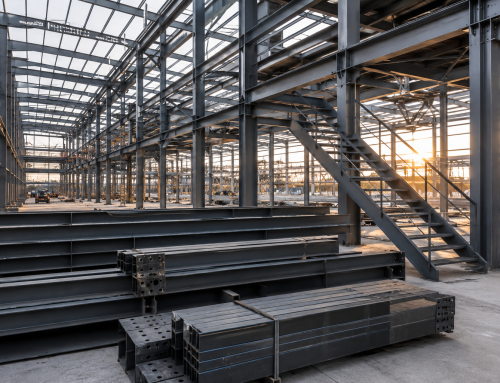
Projects involving staircase fabrication especially benefit from this capability because custom stair structures often require highly accurate cutting and consistent finishing.
4. Reduced Waste Supports Better Cost Management
Material efficiency plays an important role in project profitability.
Traditional cutting processes often generate additional scrap and unnecessary steel loss.
Laser technology helps optimise material utilisation through controlled cutting paths and improved nesting techniques.
For projects requiring steel bin fabrication, precision manufacturing helps reduce waste while producing durable and accurately sized fabricated products.
Lower material waste can contribute to stronger cost control across the entire project lifecycle.
5. Supports Modern Modular Construction Methods
Construction methods continue shifting toward faster and more efficient delivery models.
One of the fastest-growing approaches is modular structural steel fabrication in Melbourne, where components are manufactured off-site and assembled efficiently on-site.
Laser cutting supports modular fabrication by delivering:
- Consistent component dimensions
- Faster production cycles
- Improved quality control
- Easier assembly processes
These advantages help reduce installation time and support scalable project execution.
Why Fabrication Technology Matters
Technology alone does not guarantee better outcomes.
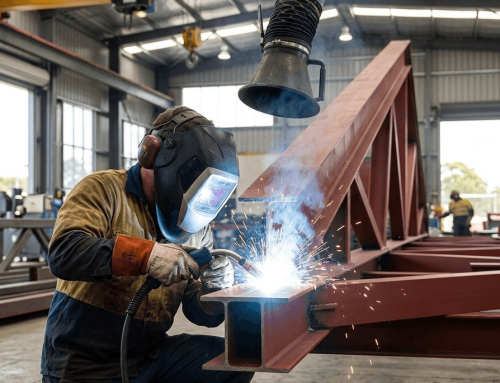
Successful fabrication combines advanced processing capabilities with experienced planning, engineering coordination, and strict quality control.
At Kaizen Steel, fabrication solutions are designed to help projects move efficiently while maintaining performance and structural reliability.
Final Thoughts
3D laser cutting is changing how steel projects are designed, manufactured, and delivered.
By improving accuracy, reducing waste, and supporting faster project execution, advanced cutting technology creates value across both commercial and industrial applications.
Businesses that invest in precision fabrication today position themselves for stronger project outcomes tomorrow.
Discuss Your Next Steel Project
Contact Kaizen Steel to learn how precision laser cutting and custom fabrication can support your project requirements.
Get in Touch Today


Leave A Comment