
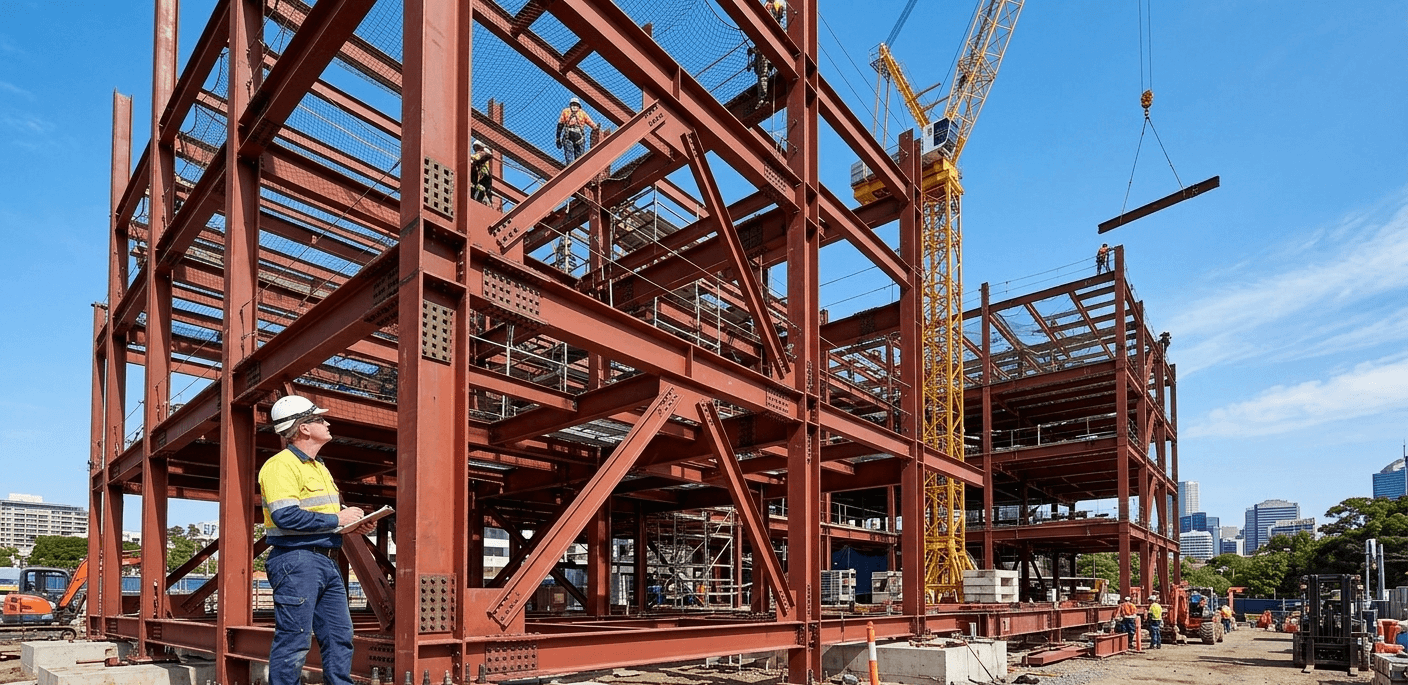
How to Estimate Structural Steel Cost for Construction Projects
Unexpected steel expenses can quickly push construction projects over budget. Accurate structural steel estimation helps builders and developers plan with confidence and reduce the risk of delays. Understanding how to estimate structural steel is a critical step in planning any construction project. Whether you’re working on a commercial build, industrial facility, or residential development, understanding the cost factors involved can help you budget accurately and avoid unexpected expenses.
In Australia, the cost of structural steel fabrication depends on multiple variables, ranging from material prices to design complexity and labour requirements.
Key Factors That Influence Structural Steel Costs
1. Material Costs
Steel prices fluctuate based on global supply, demand, and market conditions. The type of steel used, such as mild steel, stainless steel, or specialised alloys, also impacts pricing.
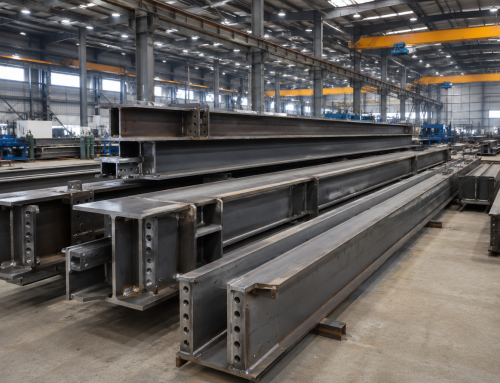
Projects involving industrial builds often require heavier sections and specialised fabrication, which can increase overall costs.
2. Design Complexity
The more complex the design, the higher the fabrication cost. Intricate architectural elements, custom shapes, and unique connections require additional time and expertise.
For example, projects handled by commercial structural steel specialists may include advanced designs that demand precision engineering and specialised fabrication techniques.
3. Fabrication Process
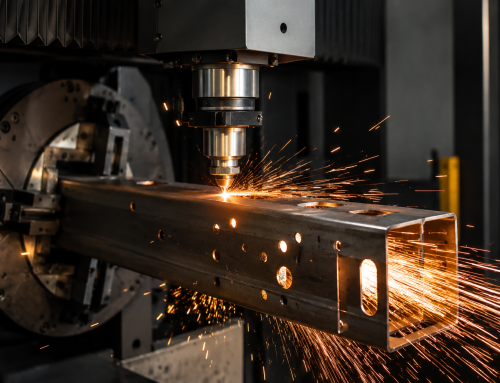
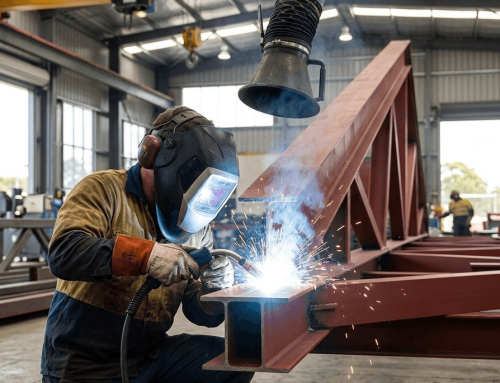
Fabrication involves cutting, welding, bending, and assembling steel components. The level of detail and accuracy required plays a major role in determining costs.
Using modular structural steel fabrication methods can help reduce labour costs and improve installation efficiency.
4. Labour and Expertise
Labour costs vary depending on the complexity of the project and the skill level required. Experienced structural steel contractors ensure quality workmanship but may come at a higher rate, which may help reduce errors and improve overall outcomes.
5. Transportation and Installation
Transporting fabricated steel to the site and installing it safely is another cost factor. Larger or heavier components require specialised transport and equipment.
6. Finishing and Coating
Protective coatings such as galvanising or painting are essential for durability, especially in Australia’s varied climate conditions. These treatments add to the total cost but extend the lifespan of the structure.
Step-by-Step Guide to Estimating Structural Steel Costs
To estimate structural steel costs effectively, it’s important to consider each stage of the process:
- Review detailed drawings and specifications
- Calculate steel weight and quantity
- Factor in fabrication and labour costs
- Include transport and installation expenses
- Account for contingencies and market fluctuations
Working with reliable steel fabrication providers in Australia ensures accurate quotes and transparent pricing. If a project requires heavier beams, transport and crane hire costs may increase significantly.
Cost-Saving Tips
- Opt for standardised designs where possible
- Use modular fabrication methods
- Engage experienced contractors early in the project
- Plan logistics efficiently to reduce transport costs
Why Professional Expertise Matters
Hiring experienced structural steel contractors ensures your project stays on budget while meeting safety and quality standards. From large-scale industrial builds to specialised components like those created by heavy duty staircase fabricators, expertise plays a crucial role in cost efficiency.
Working with an experienced structural steel fabrication team can help ensure accurate costing, efficient project delivery, and compliance with Australian standards.
Contact Kaizen Steel today to discuss your project requirements and get reliable support for accurate costing, quality fabrication, and efficient project delivery.


Leave A Comment